

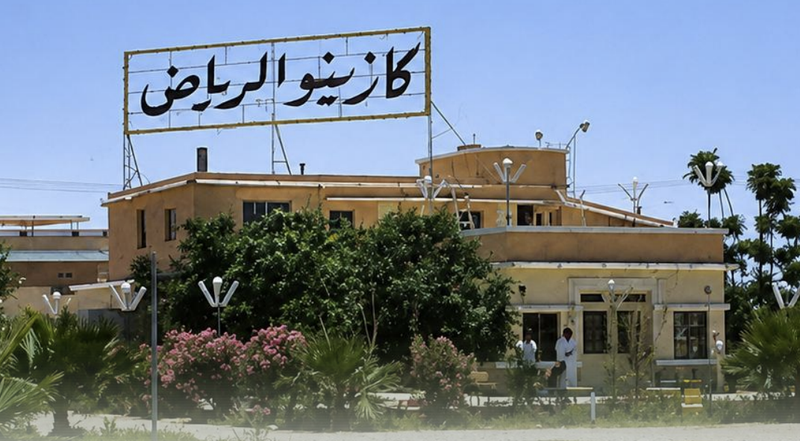
The coffee and café sector in the Kingdom of Saudi Arabia is one of the sectors that brings together economic value and cultural and social significance. Its presence is not limited to being a commercial activity; it goes beyond that to become an integral part of Saudi identity and an aspect of everyday heritage. In Saudi society, coffee is not merely a beverage served on special occasions; it is a symbol of generosity and hospitality, and an embodiment of deeply rooted traditions. Perhaps the clearest evidence of this deep-rooted presence is the enormous volume of consumption: coffee consumption in the Kingdom is estimated at approximately 36 million cups per day, exceeding 13.1 billion cups annually. Historically, the roots of modern cafés in the capital date back to 1961, with the opening of "Riyadh Casino", which at the time introduced a new concept to urban society. From this perspective, the sector has acquired growing importance, as it embodies the convergence of social customs and economic development opportunities.
Market development: From global brands to the “specialty coffee” revolution
The coffee sector in the Kingdom has undergone notable development across multiple areas. This transformation began to take on a global commercial character with the arrival of brands such as "Dunkin'" in 1986 and "Starbucks" in 2000, eventually leading to the "specialty coffee" revolution, which changed consumer interests by focusing on the coffee’s origin and the methods used to process and roast it. In this context, pioneering Saudi brands emerged, such as "Camel Step," launched in 2014, alongside renowned local roasteries such as Roasting House, Coffee Strains, and Elixir Bُن. This development was clearly reflected in official indicators: the number of valid restaurant and café licenses rose from 91,618 licenses in 2022 to 119,902 licenses in 2024, representing a compound annual growth rate of approximately 14.4%. This encouraged support for local farmers and improvements in production quality.

Multibillion-riyal leaps and the “neighborhood café” model
The impact of this sector is not limited to agriculture and production; it extends to other industries and services directly connected to it. This diversity has translated into multibillion-riyal leaps in market size: the value of the café and coffee-chain market reached approximately 23.44 billion riyals in 2023 and is expected to surge to 40.54 billion riyals by 2033. The specialty coffee market specifically was valued at 3.56 billion riyals in 2025 and is expected to more than double, reaching 7.91 billion riyals by 2033. This rapid growth has contributed to the transformation of large cafés into "neighborhood cafés" that consumers visit repeatedly every day. As a result, a project’s success now depends on product quality and operational efficiency rather than massive spaces, opening the door to innovation in product presentation and development.

Saudi coffee: Toward an integrated regional hub
In conclusion, the coffee and café economy in the Kingdom of Saudi Arabia represents a clear model of integration between heritage and development, and between national identity and investment opportunities. The investment takeaway today lies in moving beyond simply opening cafés and focusing instead on supply chains, technology, and training, as well as promising opportunities in roasting and manufacturing. With continued interest in local products and the development of expertise, the Kingdom is steadily moving from being a massive consumer market to becoming a regional hub for coffee production, roasting, and brand development. This will strengthen the sector’s position in the national economy and affirm its presence as a vibrant part of the story of modern Saudi Arabia.


Comments (8)
No comments yet. Be the first to comment!