

The contemporary business environment is undergoing a radical transformation in consumer behavior and media consumption patterns. The traditional model of television advertising or centralized, one-way campaigns is no longer sufficient to achieve the desired impact for fast-moving consumer goods (FMCG) companies. In this context, Unilever has emerged as a strategic model for adapting to these shifts by adopting a "Social-First" approach, expanding partnerships with content creators, and integrating predictive AI tools into the core of the marketing decision-making process.
The central strategic issue addressed in this article is the answer to this fundamental question: How can large companies move toward the decentralization and authenticity demanded by creators and social platforms while fully preserving their brand fundamentals and corporate identity, without facing fragmentation or a decline in value?
Marketing Fundamentals vs. Execution Variables: The Academic Foundations
Selina Sykes, Unilever’s Global Vice President of Digital, Social and AI Transformation, stated: "The fundamentals are exactly the same, but what we have seen is that the way those things are delivered is radically different and continues to change."
From an academic marketing-management perspective, this statement distinguishes between Strategic Objectives and Tactical Execution:
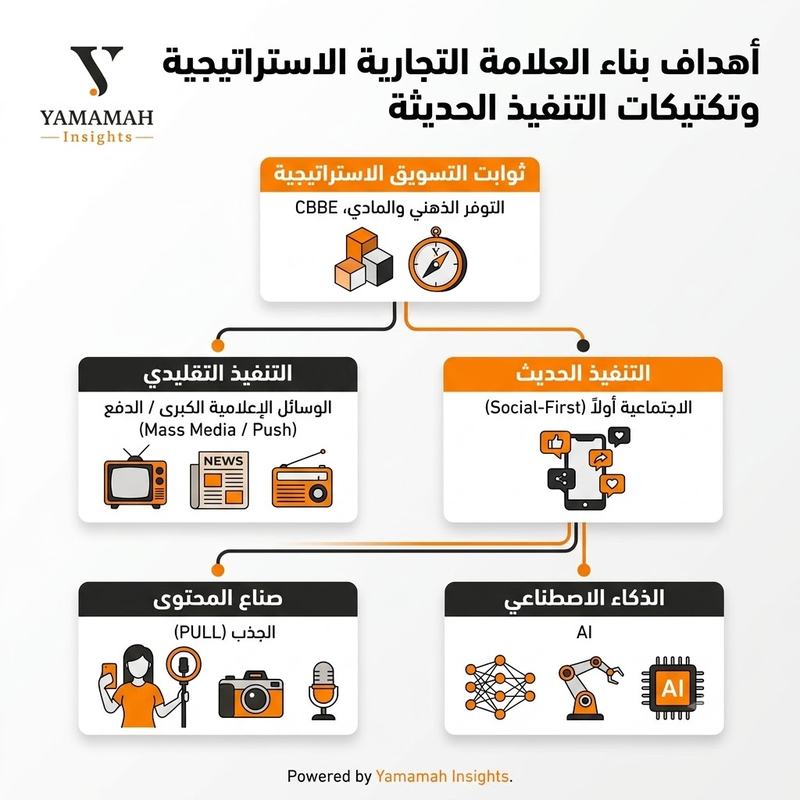
First: The Unchanging Marketing Fundamentals
Unilever’s approach to protecting its brands is based on established marketing theories:
- Mental and Physical Availability: According to Byron Sharp’s theory (Byron Sharp - How Brands Grow), brand growth requires being easily remembered at the moment of purchase (Mental) and being available across all channels (Physical). This objective remains unchanged.
- Customer-Based Brand Equity (CBBE): The concept developed by Kevin Lane Keller, centered on building deep awareness and strong trust in the product, remains fundamental to ensuring loyalty and profit margins.
- Meeting Functional and Emotional Needs: Providing consumers with genuine solutions through high-quality products.
Second: Dynamic Execution Variables
The variables lie in the media and channels used to achieve these fundamentals:
- From Broadcast to Conversation: Moving from crafting a single message broadcast on television to creating thousands of targeted, interactive messages on social media platforms.
- From Full Control to Co-Creation: Giving up complete control over every frame of an advertising video in favor of giving creators the freedom to tell stories in their own style—the style their audiences prefer.
The Shift Toward a "Social-First" Paradigm
Adopting a "social-first" approach does not simply mean reallocating marketing budgets. It means restructuring the entire marketing thought process so that platforms such as TikTok, Instagram, and YouTube become the starting point for developing products, messages, and customer experiences.
Drivers of the Shift in the FMCG Sector:
- The Non-Linear Consumer Journey: The journey no longer begins with an advertisement and ends at the store. Social platforms have become engines for discovery, evaluation, and even direct purchasing (Social Commerce).
- Declining Effectiveness of Traditional Advertising: Traditional television viewership is declining, while the use of ad-blocking tools is increasing among younger groups (Gen Z & Millennials).
- Authenticity Dividend: Consumers today trust recommendations from creators and peers more than they trust companies’ direct corporate messaging.
The Balancing Equation: Brand Identity vs. Creative Freedom for Content Creators
Balancing Brand Governance and Creative Authenticity is one of the most difficult challenges in the consumer goods sector. Excessive restriction strips content of its authenticity, while excessive freedom leads to a fragmented brand identity.
Distinctive Brand Assets (DBAs)
To achieve this balance, Unilever relies on identifying what are known as DBAs—the visual, audio, and symbolic elements that must appear in any content regardless of who created it:
| Identity Element | Flexibility Level | How It Is Applied with Content Creators |
|---|---|---|
| Key Visual Assets (sonic identity, logo, color) | Non-negotiable (Fixed) | Using specific elements such as a particular sonic cue or ensuring the product packaging appears clearly and distinctly. |
| Core Value Proposition | Fixed and Guided | Defining the primary benefit (for example: 24-hour skin hydration) without imposing the wording verbatim. |
| Tone & Narrative | Highly Flexible | Giving the creator complete freedom to use their own style, language, and humor to communicate with their audience. |
AI as a Strategic Link: From Guesswork to Prediction
Technology is the strategic catalyst that ensures this transformation succeeds effectively and with the lowest possible level of risk. The partnership mentioned in the podcast with Kantar’s LINK AI tool illustrates the shift from "intuitive marketing" to "data-driven predictive marketing."
How Does AI Deliver Strategic Value?
- Testing Content Before Broad Deployment (Predictive Insights): Analyzing thousands of videos produced by creators using machine-learning algorithms to predict their ability to drive sales and build brand equity before promotional budgets are spent.
- Accurate Impact Measurement (ROI Optimization): Moving from evaluating campaigns based on "surface-level metrics" (such as likes and shares) to measuring "strategic metrics" (such as sales impact, market-share growth, and customer perception).
- Effective Personalization at Scale (Scale & Personalization): Helping marketing teams manage relationships with hundreds or thousands of creators simultaneously without overlooking safety considerations or verifying that content is suitable for the brand environment (Brand Safety).
The Management Framework and Recommendations for Executive Leadership
As an executive, implementing this model requires a shift in organizational culture and change management within the marketing department:
Strategic Transformation Matrix in Marketing Management
| Strategic Dimension | Traditional Approach | Modern Approach (Unilever Model) |
|---|---|---|
| Campaign Planning | Large, fixed annual/quarterly campaigns | Continuous, dynamic process (Always-On Social Content) |
| Risk Management | Avoiding errors through complex review and approval processes | Reducing risk through rapid AI-powered testing |
| Team Leadership | Rigid hierarchical structure | Agile, cross-functional leadership (Agile Frameworks) |
| Measuring Success | Reach and general awareness | Mental availability, rapid response, and predictive return on investment |
Actionable Strategic Recommendations:
- Develop Flexible Brand Guidelines:
Create quick, simplified rules that focus on "distinctive brand assets" while leaving room for innovation. - Invest in Data and AI Infrastructure:
Integrate predictive analytics tools into the early stages of content production to reduce costs and ensure quality. - Adopt an Agile Marketing Leadership Culture:
Train marketing teams to make decisions quickly and embrace short, rapid experiments with continuous learning.
"Social-First"
Unilever’s experience proves that shifting to a "social-first" approach and relying extensively on content creators is not merely a marketing fad, but an inevitable strategic response to changes in the competitive environment and consumer behavior. Success in this era does not require abandoning the principles and rules of classical marketing; it requires reinventing execution tools and adopting modern technologies such as AI to create a precise, sustainable balance between brand consistency and authentic presence.

Comments (8)
No comments yet. Be the first to comment!