

On September 6, 2026, Saudi Ground Services announced that it had received written notice from Nas Air to terminate its ground-handling services contract, based on the termination right stipulated in the contract, which requires six months’ advance written notice.
The company had announced in April 2024 that the contract had been renewed for five years, beginning on January 1, 2024, and ending on December 31, 2028, to provide ground-handling services for Nas Air’s domestic and international flights, including ramp and passenger services at all airports in the Kingdom.
Saudi Ground Services will continue providing its services to Nas Air during the notice period, with the termination taking effect on March 5, 2027. The company explained that the termination would have no financial impact on the results for fiscal year 2026, while the impact on revenue is expected to begin on March 6, 2027.
The contract generated revenue of SAR 151.5 million from the beginning of 2026 through the end of the second quarter, and is expected to reach approximately SAR 306 million by year-end. Against the expected financial impact and the company’s ability to replace the lost revenue, students from Al Yamamah University discussed the development and its implications for the company’s performance as follows:
Expected Impact on Financial Results
Student "@غلا زريقان" analyzed the impact on 2027 results, saying: "The impact on 2027 results will be clear, but it will not appear throughout the year because the company will continue providing its services to Nas Air until March 5, 2027.
If contract revenue remains close to SAR 306 million annually, the lost revenue during the remainder of 2027 could be in the range of SAR 250–255 million.
However, it is important to distinguish between a decline in revenue and a decline in net profit, as some of the costs associated with providing the service will disappear or decrease once the contract ends. Therefore, the ultimate impact on net profit will depend on the extent to which costs are reduced and productivity is improved".
Adjustment Period and Mitigating the Impact
Student "Yazan Hamoud" @Yazan Hamoud explained: "I believe that the cancellation of the Nas Air contract will put pressure on the company’s revenue and profitability in 2027, particularly since the contract represents approximately SAR 306 million annually.
However, the continuation of the contract until March gives the company time to offset part of the impact by reducing costs and attracting new contracts. With the growth of the aviation and tourism sectors in the Kingdom, I believe it has a good opportunity to offset the loss over the medium term".
Pressure on Revenue and Profitability
Student "Faiz Alhaj" @Faiz Alhaj noted that losing the contract would put pressure on results, saying: "Although the cancellation of the Nas Air contract, worth SAR 306 million annually, will put pressure on the company’s revenue and profitability in 2027, the continuation of the contract until March 2027 gives the company sufficient time to adjust.
The growth of the aviation sector and the expansion of major national projects also create good opportunities to offset this loss by attracting new operators and rationalizing costs".
Operational Efficiency and Customer Diversification
Student "Albatool Bedairi" @Albatool Bedairi explained that the impact on profits could be smaller than the impact on revenue, saying: "Losing a major contract such as the Nas Air contract represents a challenge for the company, especially since the contract generated estimated annual revenue of around SAR 306 million.
However, the company can limit the financial impact by increasing productivity, improving operational efficiency, and rationalizing expenses. Accordingly, a decline in revenue does not necessarily mean that profits will decline by the same amount.
Over the longer term, it will be important to attract new airlines, secure replacement contracts, and diversify the customer base".
Attracting New Contracts and Diversifying Revenue Sources
Student "@ثناء الشايب" said: "She explained that the impact will be clear in 2027, especially since the contract represents an important part of the company’s revenue, but its continuation until March means that the impact will not extend across the full year.
What will truly determine the company’s strength is its ability to replace the contract with new contracts and reduce expenses without affecting the quality of its services. With the growth of the aviation and tourism sectors in the Kingdom, it has a good opportunity to replace part of the revenue.
The loss of a contract the size of the Nas Air contract also highlights the importance of not relying too heavily on a single customer and diversifying revenue sources".
Increasing Productivity and Rationalizing Expenses
Student "Noof Alanazi" @Noof Alanazi added: "The termination of the contract will affect the company’s revenue and profits beginning in March 2027, but the scale of the impact will depend on its ability to replace the lost revenue by increasing productivity, rationalizing costs, and attracting new contracts.
With the growth of the aviation sector and major projects in the Kingdom, I believe the company has good opportunities to offset this impact and maintain its growth and competitiveness".
Competition and Changes in the Ground-Handling Services Market
Student "Fay Aldossari" @Fay Aldossari highlighted the competitive landscape, saying: "Losing a contract worth SAR 306 million annually will put pressure on the financial statements in 2027, and the company’s profitability may be affected, given that equipment and labor costs cannot be eliminated quickly.
However, the company has until March 2027 and can use its equipment and workforce to cover other contracts, or reduce expenses and improve operating efficiency.
Competition in the market has also increased. At the same time, the growth of the Saudi market, along with Riyadh Air, Expo 2030, and the 2034 World Cup, opens new opportunities to replace the contract".
Aviation Sector Growth and Opportunities for Replacement
Student "Dina Alarjani" @Dina Alarjani explained that the impact may not persist over the long term, saying: "The termination of the Nas Air contract will affect the company’s revenue in 2027, particularly since the contract generates a significant annual amount.
However, I do not believe the impact will necessarily be negative over the long term, as the aviation sector in the Kingdom is experiencing clear growth, giving the company opportunities to secure new contracts and replace part of the lost revenue.
The coming period will show how capable the company is of diversifying its customers and avoiding excessive reliance on a single contract".
Monitoring Margins, Profits, and Cash Flows
Student "Arwa Alhuwaiti" @Arwa Alhuwaiti stressed the importance of monitoring profitability, not just revenue, saying: "Losing a contract of this size will put pressure on the company’s revenue, especially since the contract generated approximately SAR 306 million annually.
However, the company’s ability to offset the impact depends on its success in rationalizing costs, increasing productivity, and securing new contracts. Therefore, I believe the final impact should not be judged based on revenue alone; it is also important to monitor margins, profits, and cash flows after the contract ends".
Leveraging Market Growth and Expanding Market Share
Colleague "Lujain Algorashi" @Lujain Algorashi explained that the termination could intensify competition but also create new opportunities, saying: "The contract’s cancellation may put pressure on the company’s results in 2027, but the scale of the impact depends on its ability to offset the loss. A plan to increase productivity and rationalize expenses could help mitigate the impact and preserve profitability.
The expansion of the aviation and tourism sectors and the hosting of major events also provide new opportunities to secure contracts and increase market share, which could help replace part of the lost revenue".
The Phased Impact on 2027
Student "Jumana Alshehri" @Jumana Alshehri added: "I believe the impact in 2027 will be clear in terms of revenue and net profit, particularly since the contract represents substantial annual income.
However, the continuation of services until March 2027 gives the company time to replace part of the loss by increasing productivity and rationalizing costs. With the growth in air traffic and upcoming projects, it may have an opportunity to replace the contract with new ones".
Aviation Growth and Major Projects
Student "Shahad Alkhamis" @Shahad Alkhamis explained that the financial impact has been deferred, saying: "The cancellation of the Nas Air contract represents a major challenge for the company, especially since the contract generated approximately SAR 306 million annually.
However, the financial impact has been deferred because services will continue until March 5, 2027, giving the company time to replace part of the loss by increasing productivity, rationalizing expenses, and attracting new contracts.
With the growth of the aviation and tourism sectors in the Kingdom and the expansion of airports, I believe the company has a good opportunity to replace the loss over the medium term".
Turning a Challenge into an Opportunity
Student "Rahaf Alanazi" said: "I believe the decision could be an opportunity for the company, not just a loss, because it will push the company to seek new customers and contracts instead of relying on a single major customer.
With the increasing number of airports, flights, and passengers in the Kingdom, I expect good opportunities for future growth, especially if the company can provide better services at competitive prices".
Replacement Opportunities from Major Projects
Student "Ghadah Alwallan" @Ghadah Alwallan confirmed that replacing the revenue depends on two paths, saying: "The company’s ability to replace the revenue depends on its success in increasing productivity and rationalizing expenses, as well as leveraging the growth in air traffic and major projects to increase its contracts and market share".
The Need for New Contracts
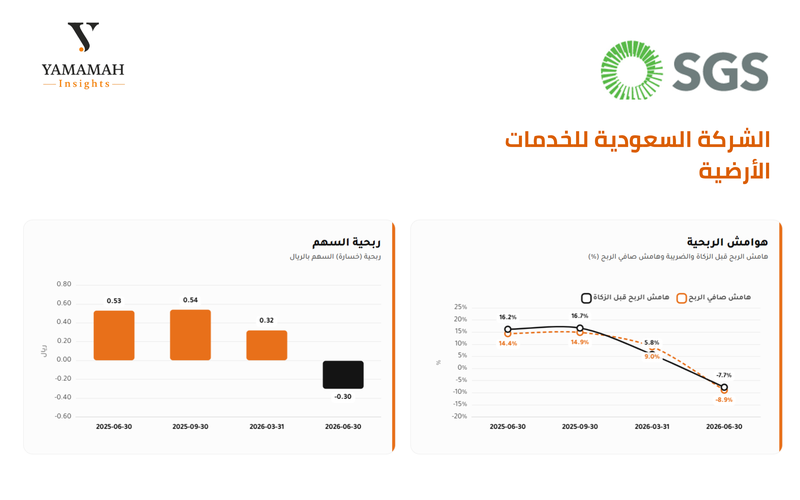
Student "Mohammad Alghaihab" @Mohammad Alghaihab noted that cost-cutting alone may not be sufficient, saying: "Losing the Nas Air contract will put clear pressure on 2027 results, especially since the company had already swung to a loss in the second quarter of 2026.
Rationalizing expenses may mitigate the impact, but replacing revenue of approximately SAR 306 million requires new contracts, not just cost-cutting".
Sustaining Growth and Maintaining Competitiveness
Student "Meshail ALANazi" @Meshail ALANazi said: "The impact of the contract’s cancellation will initially be clear for the company, and it may put pressure on profits if the lost revenue is not replaced.
However, the company’s strength will depend on its ability to find replacement contracts and improve operating efficiency. With the expansion of airports and the increase in passenger numbers in the Kingdom, this challenge could become an opportunity for growth if the company can attract new customers and maintain its competitiveness".
Financial Impact and Readiness for the Next Stage
Student "Rimas Almashali" @Rimas Almashali commented: "The cancellation of the contract will put pressure on the company’s revenue in 2027, particularly since the contract represents annual revenue of approximately SAR 306 million. However, the continuation of services until March gives the company time to prepare and offset part of the impact".
The Financial Impact Goes Beyond Simply Losing a Contract
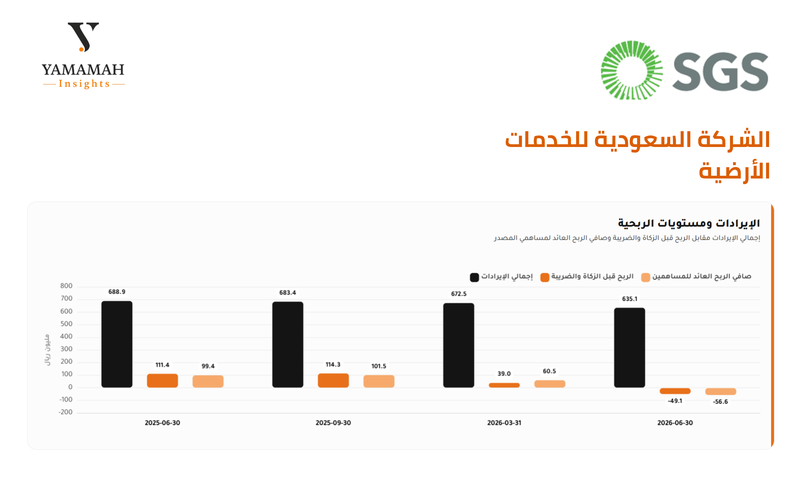
In an analytical assessment, financial and economic analyst "Hamad Alsaeed" @Hamad Alsaeed adds: The impact of Nas Air’s notice goes beyond a single contract, as it comes at a sensitive time for Saudi Ground Services. Second-quarter 2026 revenue declined to SAR 635 million from SAR 689 million a year earlier, and the company swung to a loss of SAR 56.6 million after recording a profit of SAR 99.4 million. More importantly, operating cash flow for the first half amounted to only SAR 35.9 million, compared with SAR 399.5 million, meaning that the second quarter alone consumed cash, while the cash balance declined to SAR 105.3 million.
The contract generated SAR 151.5 million in the first half, equivalent to approximately 11.6% of revenue for the period, and is expected to reach SAR 306 million in 2026. Since the termination will take effect on March 5, 2027, nearly ten months of next year’s revenue will be at risk.
It is more likely that increasing productivity and rationalizing expenses will not fully offset the lost financial impact, as ground handling is a business with high fixed costs. The departure of a customer of this size leaves labor and equipment distributed across the Kingdom’s airports without corresponding revenue. Consequently, the impact on margins will exceed the contract’s share of revenue.
 Ask Yamami

Comments (9)
No comments yet. Be the first to comment!